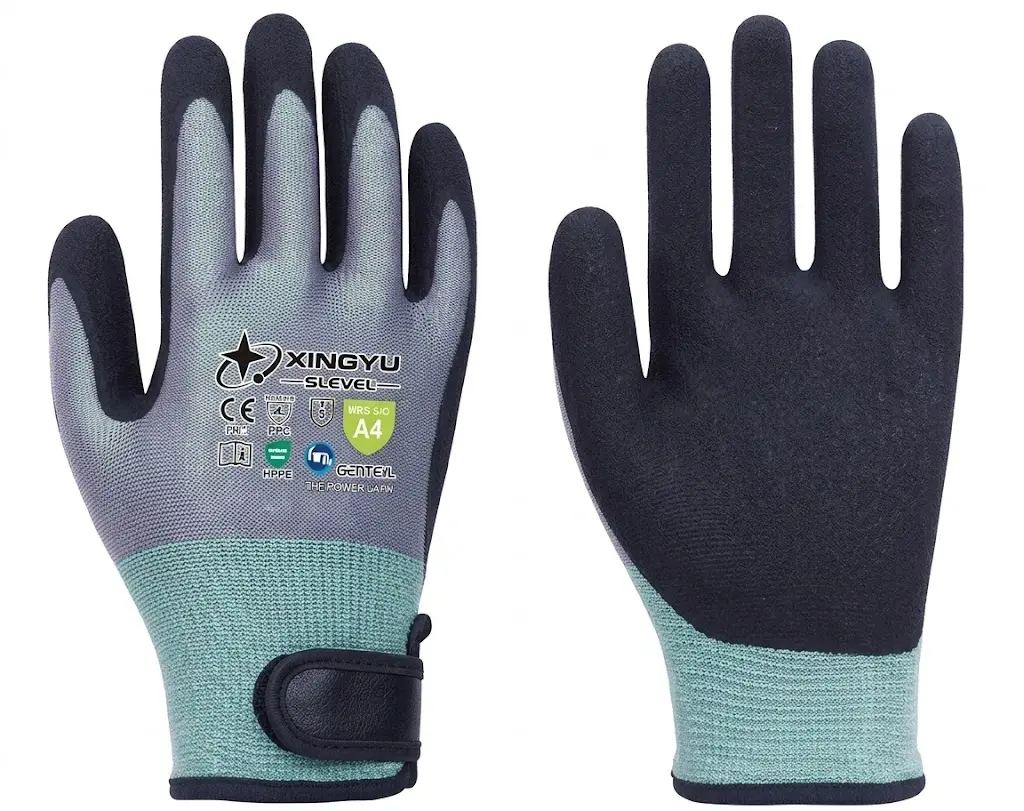
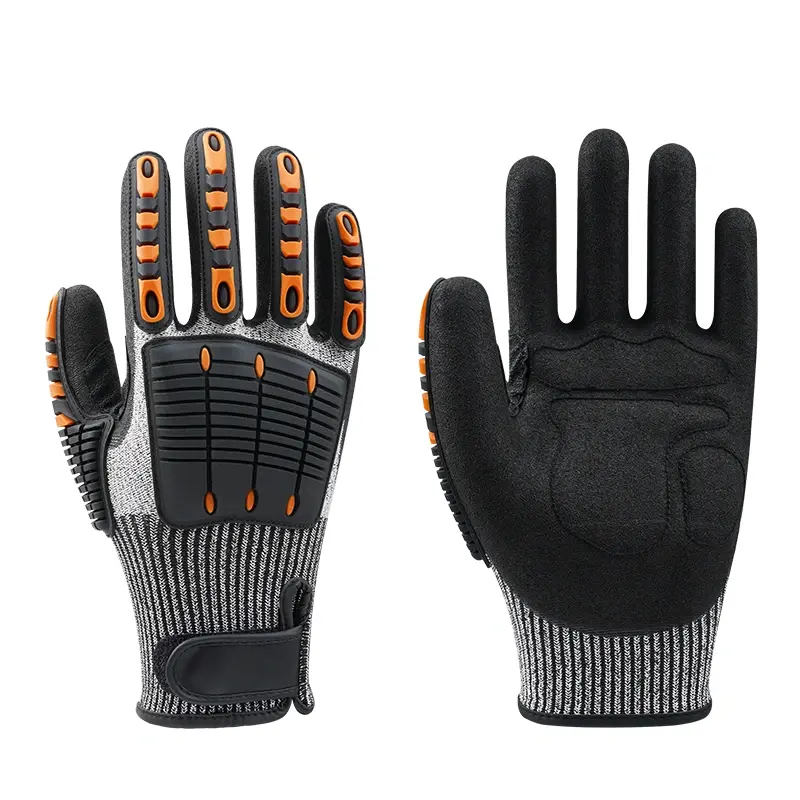
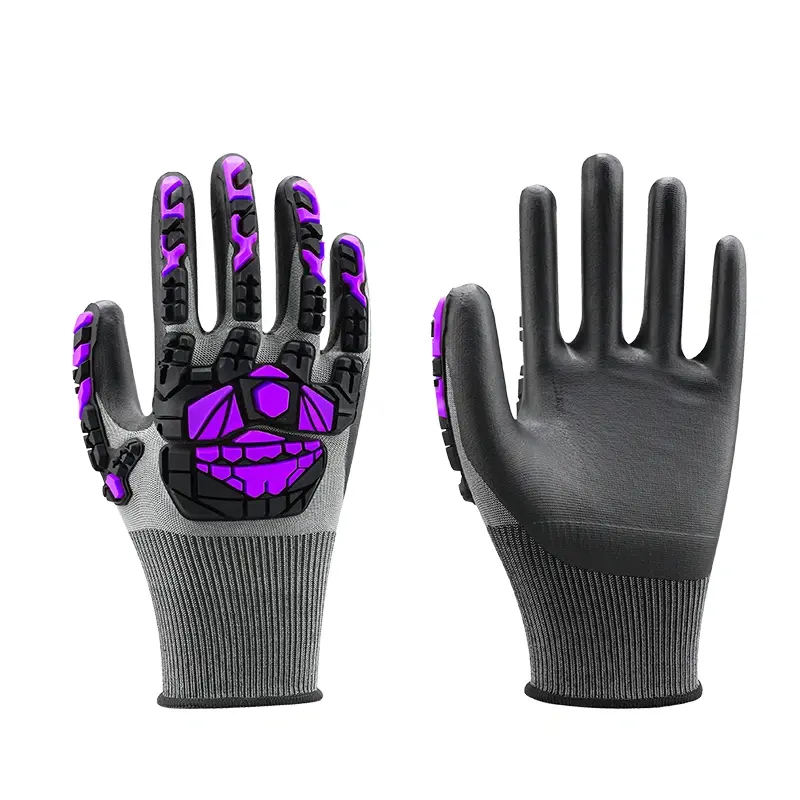
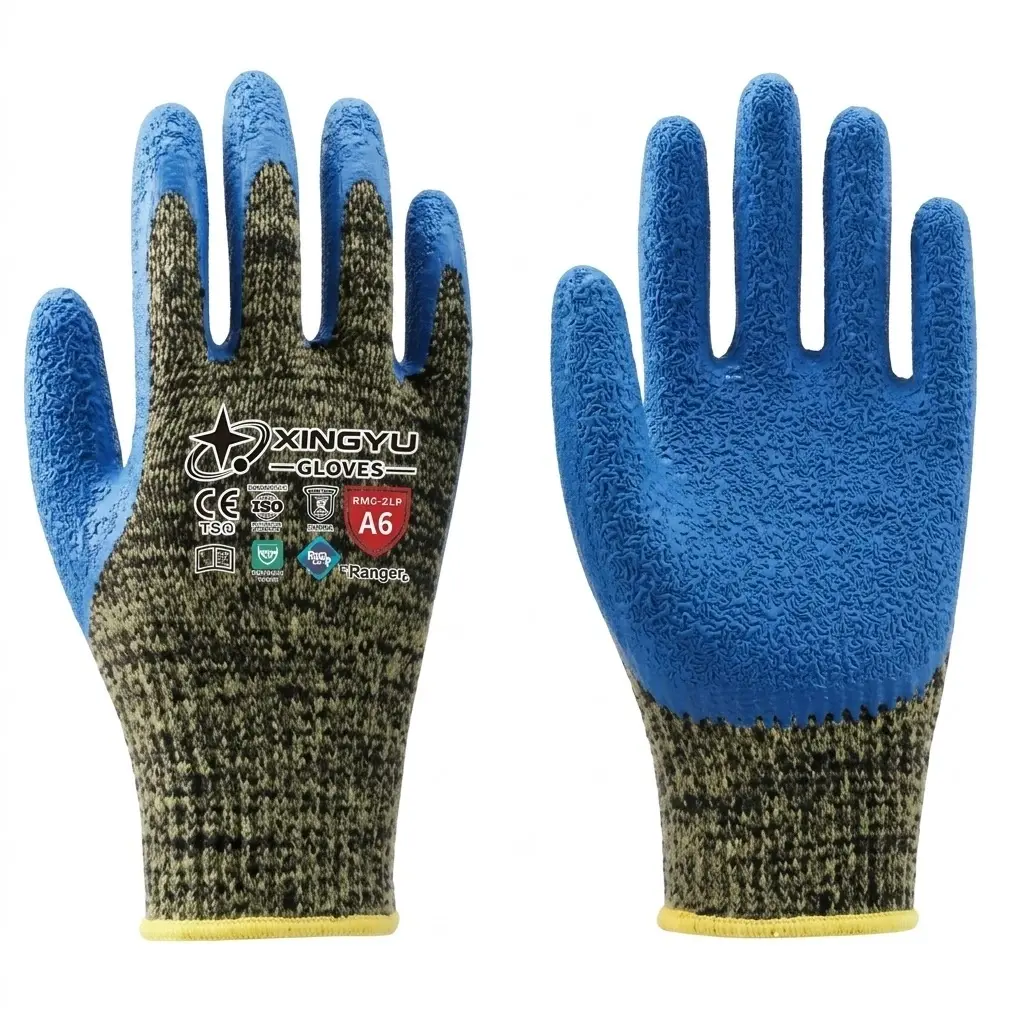
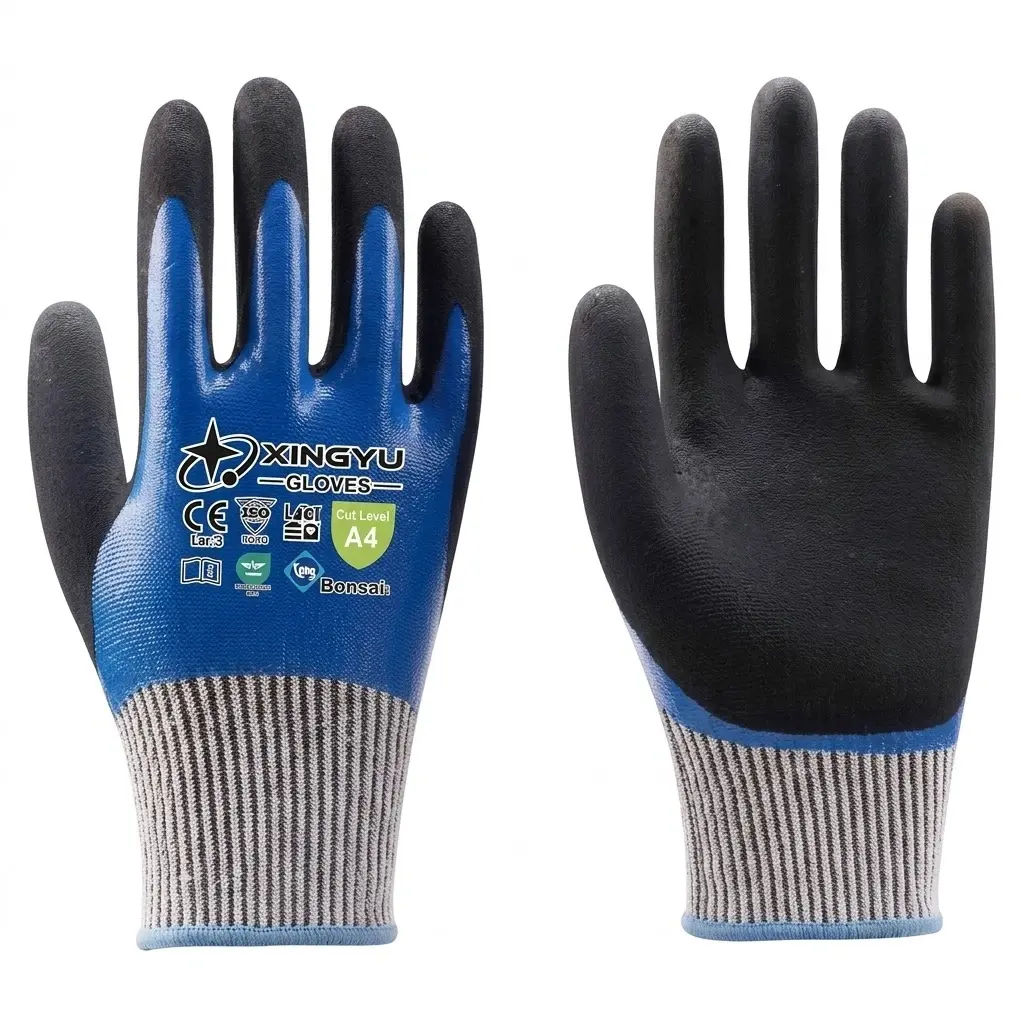
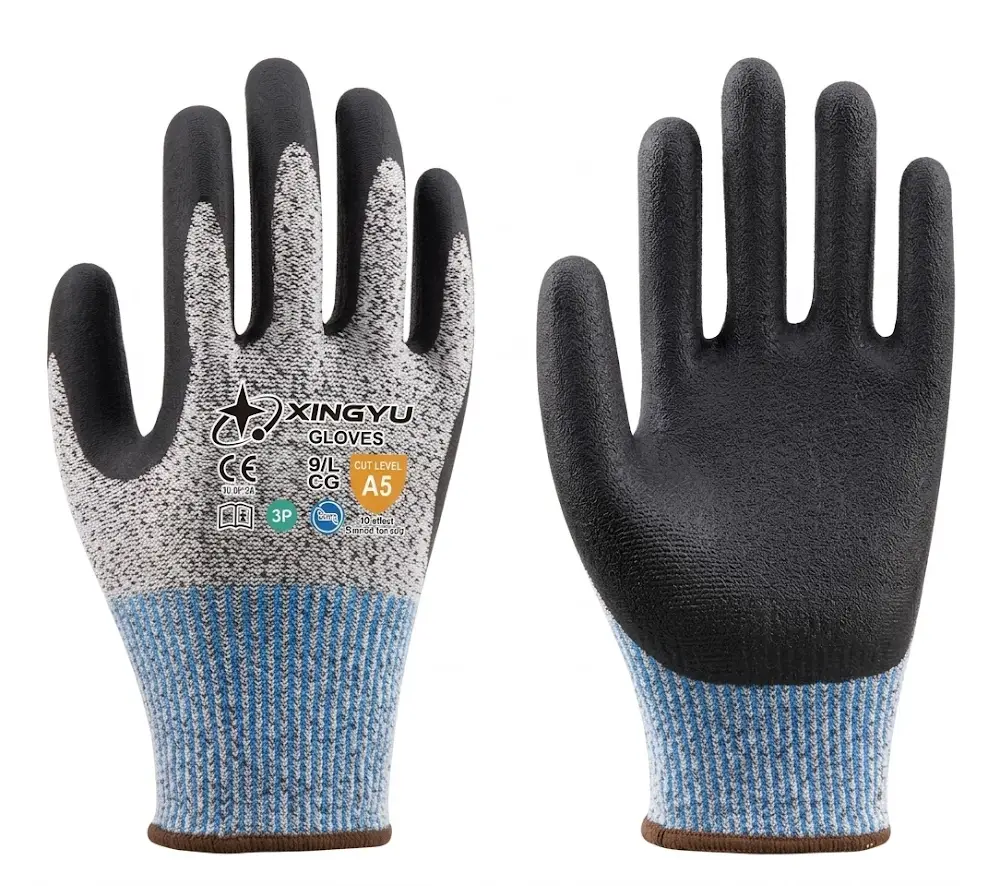
In the realm of industrial hand protection, the EN 388 standard serves as the authoritative benchmark for measuring the mechanical performance of safety gloves. Over the decades, this standard has evolved from the traditional EN 388:2003 to the more rigorous EN 388:2016 (and its subsequent updates), reflecting advancements in synthetic fiber technology and workplace safety requirements.
The primary connection between the two standards lies in their four basic mechanical tests: Abrasion, Tear, and Puncture (rated 1–4), and the original Coup Test for Cut resistance. However, the 2016 update introduced a more precise method for high-risk environments.
| Performance Index | EN 388:2003 Rating | EN 388:2016 Rating |
| Abrasion Resistance | 1 – 4 Levels | 1 – 4 Levels |
| Cut Resistance (Coup Test) | 1 – 5 Levels | 1 – 5 Levels (or X if not tested) |
| Tear Resistance | 1 – 4 Levels | 1 – 4 Levels |
| Puncture Resistance | 1 – 4 Levels | 1 – 4 Levels |
| Cut Resistance (TDM-100) | Not Included | A – F Levels (New Standard) |
| Impact Protection | Not Included | P (Pass) or N/A |
The shift from the 2003 to the 2016 standard marks a critical milestone in PPE safety for two key reasons:
Eliminating Inaccuracy: The original Coup Test (1–5) often provided skewed results for modern high-performance materials like Adamas® or steel-core yarns, which can dull the rotating blade. The new TDM-100 (A–F) test uses a straight blade under vertical pressure, simulating “single-cut” real-world hazards with far greater accuracy.
Global Safety Alignment: By introducing the A–F lettering system, the EN 388:2016 standard now aligns closely with the North American ANSI/ISEA 105 standard. This allows global B2B suppliers and factory safety managers to streamline their procurement process and ensure consistent protection across international facilities.
EN 388:2003 vs. EN 388:2016 vs. ANSI/ISEA 105
| Protection Level | EN 388:2003 (Coup Test Index) |
EN 388:2016 (TDM-100 / New) |
ANSI/ISEA 105 (North America) |
Typical Applications |
|---|---|---|---|---|
| Extra Light | Level 1 | Level A | A1 | Packaging, Warehousing |
| Light | Level 2 | Level B | A2 | Light Assembly, Maintenance |
| Medium | Level 3 | Level C | A3 | Electrical, HVAC, Construction |
| Medium-High | Level 4 | Level D | A4 | Automotive, Metal Stamping |
| High | Level 5 | Level E | A5 | Sharp Metal, Heavy Machinery |
| Extreme | N/A | Level F | A6 | Meat Processing, Metal Waste |
| Elite | N/A | N/A | A7 | A8 | A9 | Aerospace, Extreme Blade Risks |
In the fast-paced automotive sector, workers require EN388 gloves that balance dexterity with mechanical shielding. From handling oily engine components to precision interior trim installation, our gloves provide essential protection against abrasions and nicks. Many European car manufacturers choose our wholesale program to ensure a steady supply of high-performance gear that maximizes worker productivity and safety on the line.
Metalwork involves constant exposure to razor-sharp burrs and jagged edges, requiring gloves with high TDM-100 ratings (Level D-F). Our factory produces reinforced liners that withstand extreme mechanical stress. Safety directors often bulk buy these high-cut models to prevent severe lacerations during stamping and bending, ensuring full compliance with the most stringent industrial health and safety standards.
For high-frequency parcel handling and pallet management, abrasion resistance is paramount. Our EN388 gloves feature durable nitrile or PU coatings that extend the product’s lifespan under friction. As a reliable supplier, we help European logistics hubs reduce their annual PPE spend by providing long-lasting wholesale options that protect against splinters, staples, and rough packaging materials.
Handling raw glass panes requires a specialized grip and elite cut defense to prevent catastrophic accidents. Our gloves are engineered with anti-slip technology and high-load fibers. By purchasing directly from our factory, glass processing plants can secure a wholesale supply of gloves that offer the necessary tactile feel for quality inspections while maintaining a formidable safety barrier.
On European construction sites, workers face mixed hazards from rebar, concrete, and sharp tools. Our heavy-duty EN388 gloves are designed for high tear and puncture resistance. Many large-scale contractors bulk buy from Armorppe to equip their teams with versatile, all-weather protection that adheres to CE Category II safety requirements for complex infrastructure projects.
Safety in food processing requires both cut resistance and chemical compliance. We provide EN388 gloves that are REACH-compliant and suitable for food contact. As an experienced manufacturer, we offer these in bulk for industrial meat processing and catering services, ensuring workers are shielded from sharp blades while maintaining a hygienic, skin-friendly environment for long shifts.
The EN388 standard evaluates the mechanical protection of gloves against four primary risks: Abrasion, Blade Cut (Coup Test), Tear, and Puncture. The 2016 update added the TDM-100 test for higher cut loads (Levels A-F) and an optional Impact resistance test.
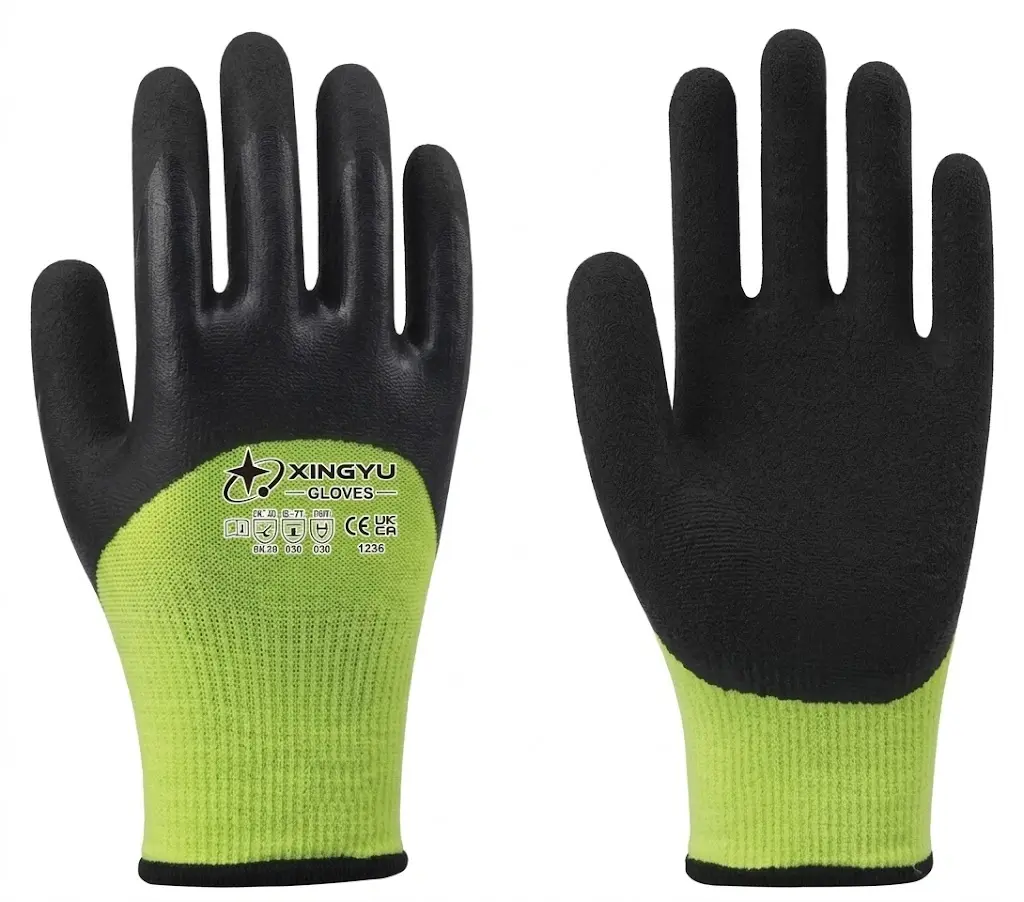
While many facilities still reference the 2003 “Coup Test” (1-5), the 2016 standard is the current legal requirement in Europe for new PPE. We recommend bulk buy customers prioritize the TDM-100 (letter rating) for accurate safety in high-risk environments.
Yes. As a leading wholesale supplier, all our materials are 100% REACH compliant and free from hazardous substances. This ensures that the gloves are safe for long-term skin contact and meet the environmental standards required by European buyers.
Absolutely. As a manufacturer, we offer comprehensive OEM services. We can customize coating colors, and liner materials, and print your company logo on the gloves to align with your corporate safety identity and facility-coding systems.
Our gloves are designed for longevity, often achieving the highest Level 4 rating for abrasion. This means they last significantly longer than standard retail gloves, providing a superior ROI for factory procurement managers by reducing the frequency of replacement.
An “X” indicates that the specific test was not performed or is not applicable to that glove design. For example, if a glove is tested using the TDM-100 method, the traditional Coup test may be marked “X” to avoid confusion during safety audits.
Direct Factory Prices | Sample Development | Branding (Private Label) Available