ANSI/ISEA 138 Impact Resistant Gloves
As a premier manufacturer, Armorppe provides a robust selection of ANSI/ISEA 138 impact resistant gloves engineered to dissipate energy and protect the dorsal area of the hand. Our gloves are tested against the most stringent standards to ensure knuckles and fingers remain safe from crush and pinch hazards. Whether you need to bulk buy for a global mining operation or require a steady wholesale supply for industrial distribution, our factory delivers Level 1, 2, and 3 protection tiers. By combining our proprietary Adamas® cut-resistant fibers with advanced TPR technology, we ensure your workforce is shielded by the industry’s most reliable impact-rated PPE.
ANSI/ISEA 138 Impact Resistant Gloves Series


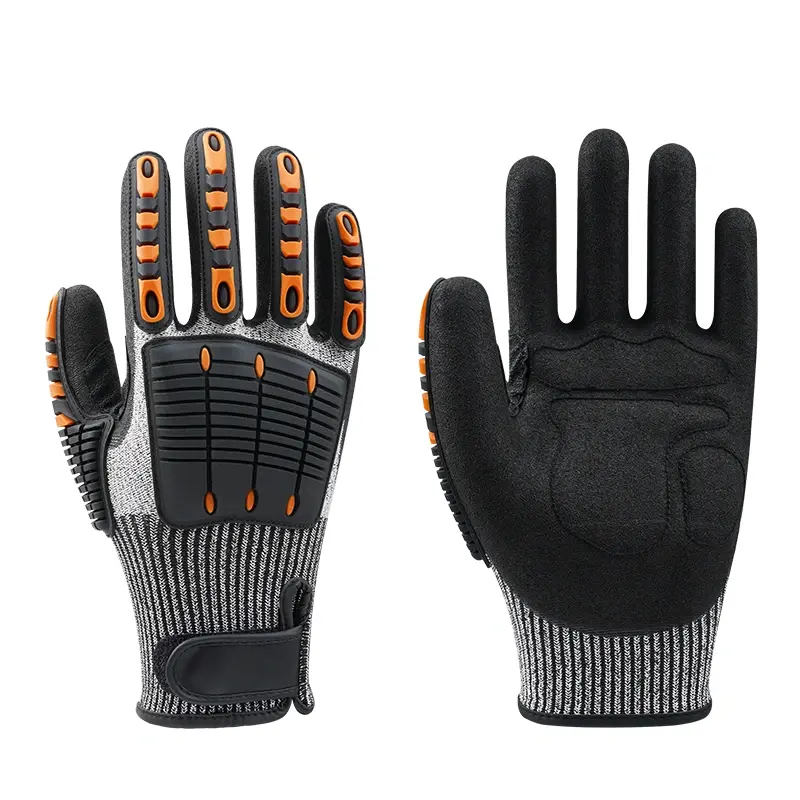


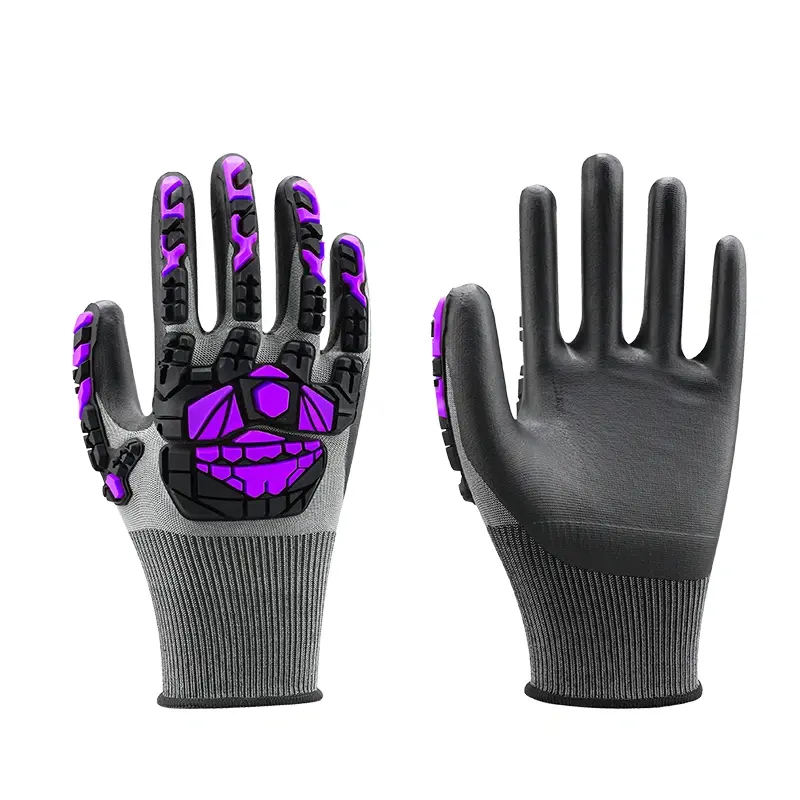
Applications of ANSI/ISEA 138 Impact Resistant Gloves
Oil & Gas Drilling
In the rigorous "Oil Patch," workers face constant risks from heavy pipes and machinery. Our ANSI/ISEA 138 gloves provide the essential Level 2 or 3 impact protection needed to prevent bone fractures during drilling and rig maintenance operations.
Heavy Construction & Demolition
Demolition sites are filled with falling debris and blunt-force hazards. These gloves shield knuckles and fingers while maintaining the flexibility for tool operation. Many construction companies bulk buy from Armorppe to ensure site-wide safety and full regulatory compliance.
Mining & Tunneling
Working in confined underground spaces involves frequent hand-impact risks against rock walls and heavy equipment. Our factory-direct supply offers high-visibility impact protection that stands up to the abrasive and wet conditions typical of the global mining industry.
Emergency Response & Extrication
First responders use our impact-rated gloves when operating heavy hydraulic tools or moving debris. The ANSI/ISEA 138 certification ensures that back-of-hand safety is scientifically validated, making these a preferred wholesale choice for government and municipal safety contracts.
Cargo Handling & Port Logistics
Moving oversized containers and heavy freight involves significant pinching and crushing risks. Our impact gloves provide a formidable barrier without sacrificing the grip needed for cables and hooks. Armorppe is the trusted supplier for international port and logistics hubs.
Manufacturing & Metal Fabrication
In factories handling large metal components, the risk of accidental strikes is high. Our gloves offer low-profile impact protection paired with high-cut resistance, ensuring a versatile solution for workers operating heavy presses and handling raw industrial materials.
ANSI/ISEA 138 Impact Resistant Gloves FAQ
1。What are the protection levels for ANSI/ISEA 138 impact resistant gloves?
The standard features three levels based on the mean transmitted force. Level 1 is basic protection (≤ 9 kN), Level 2 is the industrial standard (≤ 6.5kN), and Level 3 is the highest protection available (≤ 4 kN).
2.How does ANSI/ISEA 138 compare to the EN 388 impact test?
While EN 388 only gives a “Pass/Fail” rating for knuckles, ANSI/ISEA 138 provides a detailed 3-tier rating and requires testing on both knuckles and fingers, offering a more comprehensive safety evaluation for European and global B2B buyers.
3.Can we request a bulk buy discount for factory-direct orders?
Absolutely. As a direct manufacturer, Armorppe offers tiered pricing for wholesale and bulk buy contracts. Please contact our sales team to receive a customized quote based on your specific volume and safety requirements.
4. Are the TPR impact guards durable enough for long-term industrial use?
Yes. Our factory uses premium, high-density TPR that is sonic-welded or securely stitched to the glove. This ensures the protection stays in place even after multiple industrial wash cycles and heavy-duty use in abrasive environments.
5. Can I customize the impact protection with my company logo?
Yes. We provide full OEM services. We can customize the color of the TPR guards and print your corporate logo directly on the gloves, allowing you to maintain brand consistency while ensuring employee safety.
6.Why is ANSI/ISEA 138 certification important for my supply chain?
It eliminates guesswork. By choosing certified gloves, you ensure that the impact resistance has been scientifically validated. This reduces workplace injury rates, lowers insurance costs, and ensures your factory adheres to international safety best practices.
ANSI/ISEA 138 Standard: The Scientific Benchmark for Impact-Resistant Gloves
In high-risk industries such as oil and gas, heavy construction, mining, and demolition, the back of the hand—specifically the knuckles and fingers—is constantly exposed to crushing and blunt-force impact risks. ANSI/ISEA 138 is the American National Standard established in 2019 to provide a uniform and objective performance framework for evaluating the impact protection of safety gloves.
1. Performance Grading: The Three Levels
The standard classifies gloves into three distinct levels based on their ability to dissipate impact energy. The performance is measured by the Mean Transmitted Force (expressed in kiloNewtons, kN); the lower the force transmitted to the hand, the higher the protection level.
| Protection Level | Performance | Mean Transmitted Force (kN) | Protection Capability |
| Level 1 | Basic Protection | ≤ 9 kN | Absorbs basic energy; suitable for low-risk environments. |
| Level 2 | Mid-Level Protection | ≤ 6.5 kN | Offers enhanced shock absorption; the industrial standard for balanced safety. |
| Level 3 | High-Level Protection | ≤ 4 kN | The highest rating. Absorbs maximum impact energy for extreme-risk environments. |
2. Testing Criteria: How is it Measured?
ANSI/ISEA 138 utilizes a dedicated impact testing apparatus. A 2.5kg mass is dropped onto the glove’s protective material (typically TPR/TPU) to simulate a real-world strike.
Mandatory Test Zones: Unlike other standards, ANSI/ISEA 138 requires testing across the knuckles as well as the fingers and thumbs, ensuring comprehensive coverage for the entire back-of-hand.
Averaging Results: The final rating is determined by the lowest performing area, ensuring that a glove cannot be rated Level 3 if its fingers only offer Level 1 protection.
3. The Significance of the Standard
Before the release of ANSI/ISEA 138, the North American market lacked a specific, tiered methodology for impact resistance. The implementation of this standard has several key benefits for the industry:
Eliminating Visual Bias: Procurement officers and safety managers no longer have to judge a glove’s safety by the thickness or “aggressiveness” of the rubber patches. They can now rely on certified numerical data to make informed purchasing decisions.
Superior to EN 388: While the European EN 388 impact test only provides a binary “Pass” or “Fail,” ANSI/ISEA 138 offers a more granular, three-tier system that allows for better risk-matching in complex workplaces.
Reducing Workplace Injuries: By ensuring that dorsal protection is scientifically validated, the standard helps significantly reduce bone fractures and soft-tissue injuries caused by heavy machinery or falling objects.
Customized Safety Solutions for Your Business
Direct Factory Prices | Sample Development | Branding (Private Label) Available